
How the 2025 Stablecoin Framework Impacts Financial Systems, Digital Currencies, and Global Dollar Dominance
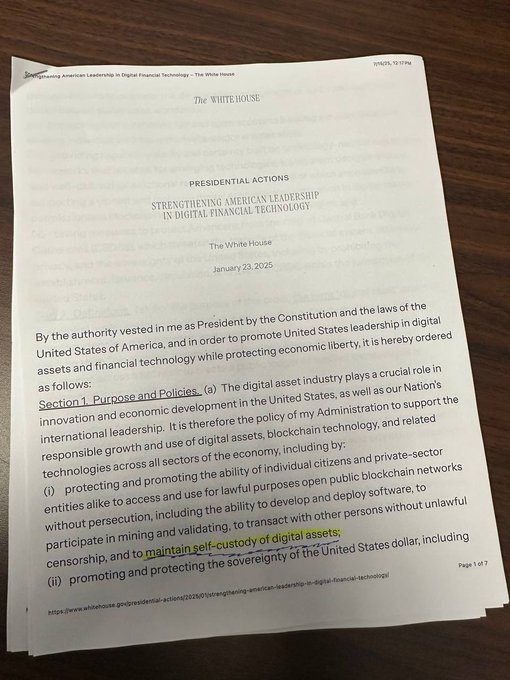
The GENIUS Act, signed into law on July 18, 2025, establishes a regulatory framework for stablecoins—cryptocurrencies pegged to assets like the U.S. dollar. Here’s how it impacts the banking system and cryptocurrency:
Impact on the Banking System
- Banks as Stablecoin Issuers:
- The Act allows banks to issue their own stablecoins, provided they are backed 1:1 by low-risk assets like cash or U.S. Treasuries.
- This enables banks to integrate blockchain technology, potentially reducing transaction costs and improving efficiency for payments, especially cross-border.
- Major institutions like Goldman Sachs, JP Morgan, and Bank of America are exploring stablecoin issuance, which could drive capital flows onto blockchains.
- Regulatory Clarity:
- Stablecoins are regulated as banking products under the Office of the Comptroller of the Currency (OCC) rather than securities under the SEC, streamlining compliance.
- Federal and state oversight (Federal Reserve for issuers with over $10 billion in market cap, state regulators for smaller issuers) ensures consumer protection and financial stability.
- Competition and Deposit Shifts:
- Stablecoins could pull deposits away from banks, similar to money market funds, as seen with Tether’s $143 billion in reserves (80% in U.S. T-bills). This may reduce community banks’ lending capacity.
- Non-bank issuers, like fintechs, face lighter regulation, potentially creating an uneven playing field.
- Consumer Protection and Risks:
- The Act mandates reserve requirements, regular audits, and anti-money laundering (AML) compliance, reducing risks of issuer insolvency.
- However, stablecoins lack FDIC insurance, leaving holders vulnerable to custodial risks or issuer bankruptcy. Critics warn of potential taxpayer bailouts if issuers fail.
- Big Tech Concerns:
- The Act allows non-financial firms (e.g., Amazon, Meta) to issue stablecoins, raising concerns about market concentration and the erosion of banking-commerce separation.
Impact on Cryptocurrency
- Stablecoin Market Growth:
- The $251 billion stablecoin market could grow to $500 billion by 2026, driven by regulatory clarity and institutional adoption.
- Increased demand for U.S. Treasuries as reserves may boost blockchain activity, particularly on networks like Ethereum, where stablecoin transactions generate fees.
- Legitimizing Crypto:
- The GENIUS Act is seen as a step toward mainstreaming crypto, boosting confidence in stablecoins as payment tools.
- It may pave the way for broader crypto regulation, though it focuses only on stablecoins, not volatile assets like Bitcoin.
- Risks and Criticisms:
- Critics, like Sen. Elizabeth Warren, argue the Act enables conflicts of interest (e.g., Trump’s ties to World Liberty Financial) and insufficient consumer protections.
- Money laundering risks persist, as stablecoins could bypass traditional banking controls, despite AML mandates.
- Past stablecoin failures (e.g., TerraUSD’s $40 billion collapse in 2022) highlight risks of de-pegging or fraud.
- Global Implications:
- The Act strengthens the U.S. dollar’s dominance in digital finance, countering efforts like the EU’s MiCA or China’s digital yuan.
- Non-USD stablecoins may face challenges due to stricter compliance, favoring USD-backed coins like USDC.
Potential Downsides
- Economic Instability: Economists like Barry Eichengreen warn that widespread stablecoin adoption could destabilize markets if reserves are mismanaged, potentially spiking U.S. interest rates.
- Regulatory Gaps: Critics argue the Act’s consumer protections are weak, and allowing non-banks to issue stablecoins could lead to regulatory arbitrage.
- CBDC Concerns: Some House members fear the Act could enable a backdoor for a central bank digital currency (CBDC), though it explicitly prohibits retail CBDCs.
Conclusion
The GENIUS Act fosters innovation by integrating stablecoins into the financial system, benefiting banks with new revenue streams and crypto with legitimacy. However, it risks deposit outflows, market concentration, and potential crises if oversight fails. While it strengthens the U.S. dollar’s global role, unresolved consumer protection and stability concerns could limit its long-term success.
https://x.com/RepMTG/status/1945160710616457532?referrer=grok-com
GENIUS Act, Stablecoins, Banking Regulation, Cryptocurrency, Blockchain, Financial Innovation, U.S. Dollar, Consumer Protection, Money Laundering, Regulatory Clarity
 Follow