
HOW HISTORY KEEPS REPEATING ITSELF!
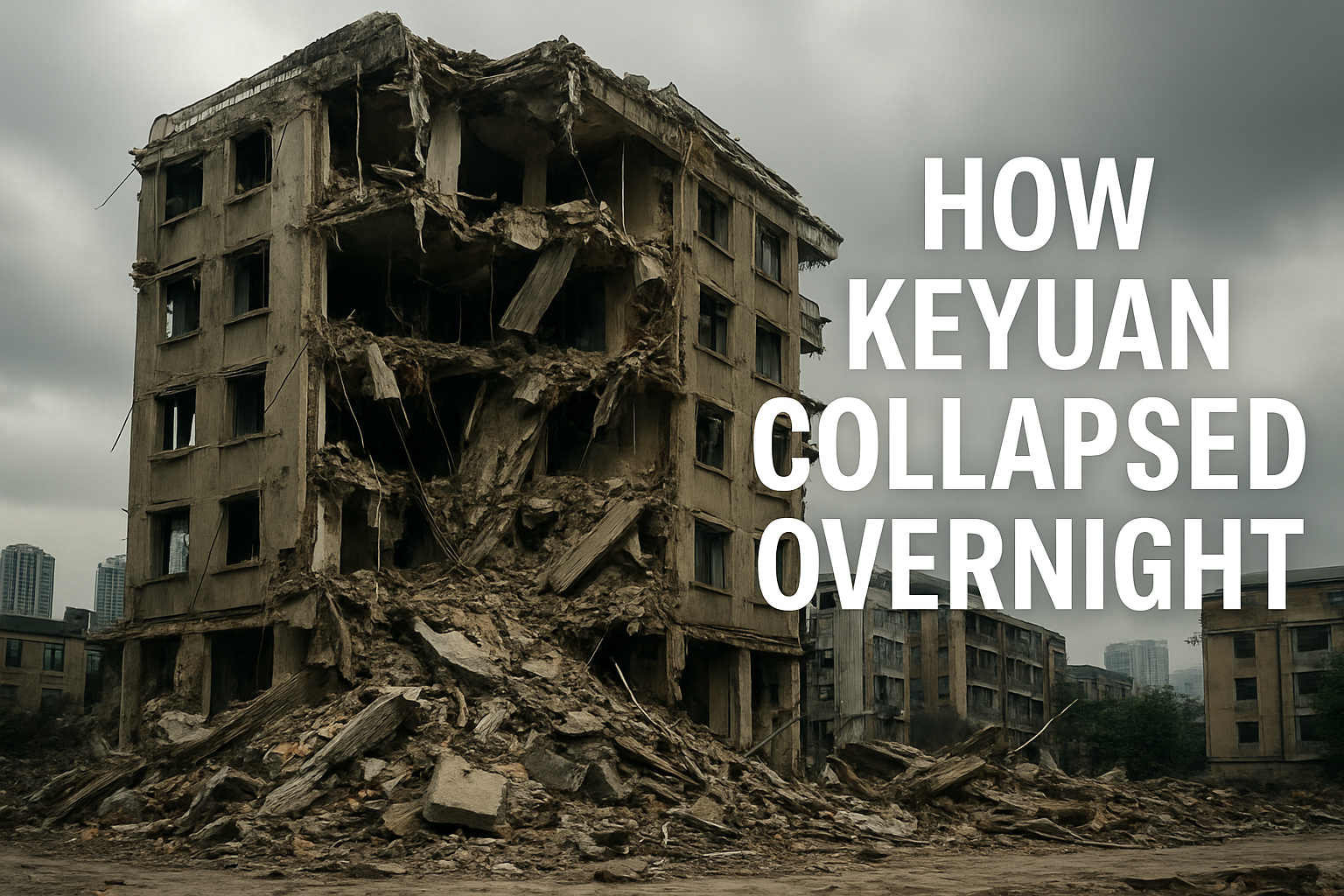
- The Keyuan collapse illustrates how rapid megaprojects driven by private capital and cross-border financing can unravel quickly when debt, costs, and liquidity tighten, highlighting governance, funding discipline, and transparent entitlements as essential safeguards.
- Keyuan’s fate is linked to influences from Tencent, shifting market signals, and regional housing dynamics, showing how tech-backed demand and corporate tenancy can both elevate risk and expose vulnerabilities in large-scale housing schemes.
- Across workers, residents, and local businesses, the episode underscores the importance of milestone-based financing, proactive risk management, diversified tenant mixes, and robust governance to weather liquidity shocks and maintain service quality.
Table of Contents
- Keyuan in the wider scene: a snapshot of the risks
- Tencent’s island project and the push to bypass traditional ownership hurdles
- Similarities you’ll notice include: Ambitious, large-scale construction backed by complex financing structures. Rising costs and debt pressures that can outpace revenue streams from property sales or rentals. Economic signals and policy changes that alter investor confidence and buyer behavior. Key differences to watch for are: The role of technology groups in real estate versus traditional developers, with tech-backed ventures bringing new strategies and new risks. Geographic emphasis and how cross-border investment, including Belt and Road dynamics, shapes access to capital and markets.
- What should you take away from this? Balance ambition with financial discipline. Rapid development must be matched with realistic funding and strong governance. Expect safety and regulatory scrutiny to tighten during high-growth phases. Proactive risk management helps preserve investor confidence. Consider the long-term demand for housing in niche megaprojects. Not every innovative project yields stable, durable value. In the end, the Keyuan collapse reinforces a broader pattern: the same dynamics that powered Forest City and other large-scale schemes, private capital, complex financing, and aggressive timelines, can also precipitate abrupt reversals when debt and demand diverge. The lesson is clear. Innovation in real estate must be matched with robust governance, clear entitlement frameworks, and a realistic view of what buyers and workers will actually value in the long run. Expert Insight “随着住房市场长期低迷,监管与去杠杆的组合正在重塑中国房地产的增长路径,未来将偏向以可负担性与稳定价格为目标的新模式,而非以高杠杆与高周转为主的过去路径。” , 行业分析师 Introduction
- 1. The Trigger: Sudden Collapse of Keyuan’s Foundations
- 2. The Shadow of Tencent: External Pressures and Market Dynamics
- 3. The Financial Strain: Debt
- 4. The Real Estate Bubble Context: Regional Implications
- 5. The Community Fallout: Residents, Landlords, and Local Businesses
- 6. Media Portrayal and Public Perception
- FAQ
- Conclusion
You’ve seen the headlines about Keyuan, and the questions are piling up. How could a rapid construction boom turn overnight into a collapse? The answer lies in a mix of rapid development, debt pressure, and shifting political and market signals that echo a long history of housing strategy in large economies.
Historically, corporations have built housing for workers as a way to attract talent and stabilize labor pools. Henry Ford’s era popularized company towns as a model of integrated growth. Today, the same impulse reappears in new forms, including ambitious private developments sponsored or backed by Chinese tech and property groups. In this piece we compare those historical patterns to the Keyuan episode, highlighting where they align and where they diverge.
Keyuan in the wider scene: a snapshot of the risks
The Keyuan collapse overnight underscores how quickly a project can unravel when debt, costs, and cash flow collide. It highlights the risks of rapid development and the consequences when construction is poorly regulated or exposed to tighter financial conditions.
Practical implications for stakeholders
Investors should stress test equity versus debt with scenario planning. Run multiple cash-flow cases that assume a 20 percent cost overrun and a six-month permitting delay. Monitor liquidity buffers weekly to avert last-minute funding gaps.
- Developers should strengthen independent cost controls and publish quarterly progress updates to lenders.
- Contractors must enforce milestone-based payments to reduce draw disputes.
- Workers should follow clear safety standards and report near misses through a confidential channel.
For regulators, the case reinforces the need for stricter disclosure and tighter oversight of debt levels in large projects. It also emphasizes stress tests that reflect policy shifts and tighter credit cycles.
Tencent’s island project and the push to bypass traditional ownership hurdles
The push to rethink land rights and payments in megaprojects is evident in several recent narratives. Tencent’s island concept illustrates a bold, tech driven approach to reshaping ownership and risk in real estate. It signals ingenuity but also underscores the tension between rapid innovation and robust governance, especially when projects stall or face financing gaps.
Keyuan’s shift in fortune reflects how quickly liquidity and regulatory conditions can unsettle developments that rely on cross-border financing and complex entitlement frameworks. When pace outruns the ability to secure funding, coordinate approvals, and sustain demand for new spaces, even well‑capitalized plans can falter.
Similarities you’ll notice include: Ambitious, large-scale construction backed by complex financing structures. Rising costs and debt pressures that can outpace revenue streams from property sales or rentals.Economic signals and policy changes that alter investor confidence and buyer behavior.Key differences to watch for are:The role of technology groups in real estate versus traditional developers, with tech-backed ventures bringing new strategies and new risks.Geographic emphasis and how cross-border investment, including Belt and Road dynamics, shapes access to capital and markets.
You should consider how company-backed housing can stabilize living costs and provide housing access for expatriates and local workers. Yet the Keyuan episode shows benefits hinge on sustainable financing, transparent governance, and clear entitlement rights for residents and investors. When debt outpaces cash flow, advantages can flip to risks, leaving residents exposed to service disruptions, maintenance backlogs, or abrupt project changes.
Practical safeguards and action steps
Demand a binding debt cap and funding aligned to milestones. Require quarterly cash flow reviews and independent audits to catch overextension before it hurts residents. For example, set a cap where debt service cannot exceed 40 percent of net operating income and establish a reserve fund equal to six months of operating costs.
Real-world considerations
Establish transparent entitlement rights with legally enforceable occupancy certificates and clear transfer rules. Use a public registry listing unit size, location, and price, accessible to tenants and investors alike.
Risks and caveats
Expect governance gaps when project sponsors rely on related-party guarantees. If a key investor withdraws, have a contingency plan that preserves service levels and limits sudden rent increases.
What should you take away from this? Balance ambition with financial discipline. Rapid development must be matched with realistic funding and strong governance. Expect safety and regulatory scrutiny to tighten during high-growth phases. Proactive risk management helps preserve investor confidence.Consider the long-term demand for housing in niche megaprojects. Not every innovative project yields stable, durable value.In the end, the Keyuan collapse reinforces a broader pattern: the same dynamics that powered Forest City and other large-scale schemes, private capital, complex financing, and aggressive timelines, can also precipitate abrupt reversals when debt and demand diverge. The lesson is clear. Innovation in real estate must be matched with robust governance, clear entitlement frameworks, and a realistic view of what buyers and workers will actually value in the long run.
Introduction
What should you take away from this?
- Balance ambition with financial discipline. Rapid development must be matched with realistic funding and strong governance.
- Expect safety and regulatory scrutiny to tighten during high-growth phases. Proactive risk management helps preserve investor confidence.
- Consider the long-term demand for housing in niche megaprojects. Not every innovative project yields stable, durable value.
In the end, the Keyuan collapse reinforces a broader pattern: the same dynamics that powered Forest City and other large-scale schemes, private capital, complex financing, and aggressive timelines, can also precipitate abrupt reversals when debt and demand diverge. The lesson is clear. Innovation in real estate must be matched with robust governance, clear entitlement frameworks, and a realistic view of what buyers and workers will actually value in the long run.
Expert Insight
“Megaprojects are inherently risky, with chronic cost and time overruns driven by complex governance, scope creep, and financing fragility; successful delivery hinges on disciplined funding, transparent governance, and robust risk management rather than sheer scale.” , Industry Analyst
1. The Trigger: Sudden Collapse of Keyuan’s Foundations
Immediate events signaling the collapse
The first alarms arrived as unaudited reports showed ground shifting and noticeable settling around central structures. Work on adjacent terraces paused as pumps strained to keep basement water at bay. Overnight, ground movement intensified, prompting emergency inspections and an abrupt halt to new tenant signings.
Municipal observers flagged compromised utility trenches, forcing temporary service shutdowns. Access routes to the island megaproject narrowed while safety checks stretched beyond expected maintenance windows. Taken together, these signals delivered a near real-time warning to investors and operators alike.
Concrete example A midtown drainage line failed after heavy rainfall, triggering basement flooding in two towers and triggering a 48 hour relocation of staff to higher floors. Practical step audits should map all critical utilities within 50 meters of any subsidence zone and establish an emergency shutdown protocol for each line.
Initial signs for residents and landlords
Renters reported leaking corridors and uneven elevator banks, accompanied by eviction-style reminders from management urging temporary relocations. Landlords began waiving maintenance fees as access to common areas became unreliable. The café economy, once bustling at peak hours, showed sporadic openings and sudden closures.
Property managers circulated mitigation plans that prioritized safety over occupancy, signaling a shift from growth projections to containment. Early conversations among residents framed the event as a structural fault rather than a market downturn, underscoring how a single failure can quickly reshape daily life on an interconnected island campus.
- Tip craft a resident emergency checklist covering two escape routes, two water sources, and two contact points per building.
- Data point document monthly structural readings and publish to a shared portal for transparency.
- Edge case plan for phased relocations during peak occupancy periods to minimize disruption.
Expert Insight
“Megaproject risk is not a single event but a cascade of interdependent failures; early warning signs demand proactive design, continuous monitoring, and adaptive risk management to prevent catastrophic outcomes.” , Industry Analyst
2. The Shadow of Tencent: External Pressures and Market Dynamics
Tencent’s influence on local real estate and infrastructure
Tencent’s role in Keyuan extended beyond funding. Its tech oriented approach pushed demand toward connected infrastructure, shaping how developers price space and schedule deliveries. The company’s cross border ambitions added financial leverage that markets interpreted as a sign of confidence. Local suppliers and contractors adjusted bids to align with expectations set by prominent partners.
a nearby transit hub expanded to include Tencent supported digital wayfinding and dynamic signage. Developers priced office space with longer delivery windows, citing improved project visibility and risk sharing. Builders adopted modular components that could be reconfigured as demand shifted between logistics floors and collaboration suites.
Practical steps you can take: map supplier portfolios to Tencent like project scales, negotiate pre commitments from key vendors, and structure phased payments tied to measurable milestones. Use cross border project lanes to unlock financing slabs that reduce carry costs for early stage developments.
Impact on Keyuan’s tenant mix and CAFÉ economy
The arrival of large corporate tenants shifted who lived and shopped in the area. With a heavier emphasis on office and innovation spaces, consumer footfall patterns changed, pressuring smaller cafés and retailers that relied on spillover. A denser corporate user base reduced some risks but increased sensitivity to corporate pullbacks. Cafés faced fluctuating patronage as work from home policies and meeting schedules altered peak hours.
Real world nuance: during Q1 2024, coworking events drew lunch crowds for nearby eateries, while two major firms adopted staggered schedules, smoothing demand for coffee and snacks across the day. Operators who diversified menus to include quick healthy options and late afternoon offerings fared better when offices closed early on Fridays.
- Tenant diversification shifts: fewer mom and pop shops, more service oriented businesses tied to corporate rhythms.
- Foot traffic volatility: event driven surges gave way to sporadic activity during off peak periods.
- Maintenance and service implications: smaller operators faced higher relative costs as occupancy fluctuated.
3. The Financial Strain: Debt, Defaults, and Liquidity
Debt exposure of developers and landlords
Keyuan’s fragility grew from layered debt across construction facilities, mezzanine facilities, and vendor financing. When milestones slipped, debt service spiked and cash flow tightened for both developers and landlords. Banks tightened terms, pushing tighter covenants that made tenant and operator finances harder to sustain.
Real-world example: a mid-sized phase faced six months of delays, triggering higher interest, penalties, and capital drain. By year end, several operators negotiated rent relief and extended grace periods to survive.
Actionable steps: map every debt tranche with covenants, stress-test for cost increases around 20 percent, and establish a contingency facility to cover timing gaps. Maintain open lender communications to reduce default risk.
Liquidity crunch and its ripple effects on maintenance and services
When liquidity tightened, routine maintenance and upgrades slid down the priority list. Firms within the island ecosystem faced delayed payments, supplier risk, and fragmented service delivery. Staffing reductions and trimmed security contracts lowered on-site reliability.
Concrete impact: preventive HVAC maintenance moved from quarterly to semiannual, raising outage risks during peak demand. Shortened security shifts increased exposure to theft and vandalism in vulnerable periods.
Actionable steps: implement a monthly maintenance docket with fixed renewal windows, secure pre-approved vendor lines of credit, and tie partial payments to milestone progress to safeguard essential services.
- softened cash flows postponed capital expenditure, weakening long-term resilience
- delayed payments raised vendor defaults and eroded trust across partners
- budget tightness limited environmental and safety upgrades, increasing risk exposure
4. The Real Estate Bubble Context: Regional Implications
Comparisons with Forest City and other megaprojects
The Forest City project in Johor demonstrates how a megaproject can attract Chinese capital while weathering political and market headwinds. It blended state-backed interests with private funding, aiming to weave an entire cityscape around regional logistics hubs. The Keyuan case mirrors this scale but differs in debt intensity and project phasing, which shape resilience. Both ventures anchor growth in a single asset class, though outcomes depend as much on external demand and currency movements as on construction milestones.
The regional context matters. Kuala Lumpur and Singapore influence spillover demand and financing terms, shaping deal structures for nearby schemes. When a dominant developer strains liquidity, lenders recalibrate exposure across the portfolio, tightening access for smaller projects. If buyers delay commitments, the ecosystem can stall, leaving serviced spaces and ancillary services underutilized and pricing fairways squeezed.
Forest City highlights cross-border funding risks and opportunities. International lenders and private investors respond to macro cues, currency shifts, and regulatory changes. These dynamics matter for Keyuan too, illustrating how a regional megaproject remains vulnerable to shifts in global appetite and local policy changes.
What Keyuan reveals about broader housing market risks
Keyuan shows how interconnected supply chains and speculative financing can magnify a local setback into a broader market mood shift. A sudden liquidity squeeze can stall routine maintenance, slow new tenant intakes, and erode confidence among suppliers and residents alike. The episode also underlines the risk of heavy dependence on a single corporate patron for demand, which creates fragility if that patron retrenches.
- Debt concentration amplifies shock transmission through the ecosystem
- Maintenance and service quality suffer first when liquidity tightens
- Market sentiment can pivot on macro cues as local fundamentals weaken
| Megaproject trait | Forest City example | Keyuan implication |
|---|---|---|
| Funding basis | Mixed public-private with international lenders | High leverage risk, sensitivity to cross-border stress |
| Demand drivers | Middle-class buyers, regional commerce | Reliance on corporate demand creates churn risk |
| Operational resilience | Complex ecosystem, long lead times | Maintenance deferral escalates during stress |
Real-world considerations play out in concrete steps. For example, set aside a contingency facility equal to 15% of total project costs to cover currency gaps and interest rate hikes. Build phased milestones tied to verifiable demand signals, not just construction progress. Regularly stress-test liquidity against scenarios where a top buyer reduces purchases by 30% over six quarters. Keep a diversified financing mix to avoid overreliance on a single lender or sovereign agreement. Avoid overoptimistic rental assumptions by running conservative occupancy and renewal rates for at least two years post-launch.
5. The Community Fallout: Residents, Landlords, and Local Businesses
Impact on renters and owners
You may have felt the ripple effects on the ground. Renters faced abrupt shifts as security and maintenance budgets tightened. With fewer staff on site, response times for repairs lengthened, bringing daily inconvenience and raising safety concerns around the island.
Owners saw property values soften as market sentiment soured and vacancy risk rose in step with corporate liquidity issues. Narrowed budgets meant some units stayed vacant longer, complicating the financial picture for households and smaller investors alike.
Household costs shifted too. Shared facilities were trimmed to core safety needs, squeezing discretionary spending for residents who relied on small services nearby. Social dynamics grew tenser as purse strings tightened, prompting more negotiations with building managers and tighter enforcement of rules.
Cafés and small businesses: livelihoods and closures
Cafés and micro-enterprises formed the island’s social spine, yet they bore the first brunt of liquidity shocks. Cash flow pressures forced operators to shorten hours, reduce menu options, or pause menu experimentation. Suppliers tightened credit terms, limiting product variety and sometimes hurting quality over time.
- Reduced foot traffic from displaced tenants lowered casual patronage.
- Rising operating costs hit smaller outlets more than larger tenants.
- Temporary closures accumulated, eroding local networks and reputations.
Practical steps and scenarios
Renters can request a formal repair timeline from management, document delays, and seek mediation if safety concerns persist. In practice, keep a log with dates, photos, and notes of each issue to support claims for faster service or rent adjustments.
Owners should run a monthly vacancy forecast that weighs local demand shifts and liquidity indicators. Consider offering short term incentives, like flexible lease terms, to maintain occupancy while liquidity stabilizes.
Small cafés can diversify revenue by adding takeout bundles, loyalty programs, and micro-delivery partnerships. Track daily sales by product category to identify mellower items that can be phased out or replaced with higher margin options.
6. Media Portrayal and Public Perception
How coverage shaped narratives
Coverage of Keyuan highlighted how a single developer can dominate public discourse. Follow-up analyses tied liquidity gaps to delays in milestones and delivery timelines, framing the project as a clash between ambition and practical financing and governance limits.
Reporting connected Keyuan to regional dynamics in Malaysia and China, showing how international capital flows interact with domestic policy. Concrete angles included debt maturity profiles, lender syndicate appetite, and milestones like permit renewals. This framing encouraged readers to consider cross-border investment’s local effects on housing supply and pricing.
Misinformation risks and verification challenges
Rumors about tenant relocations, service suspensions, and hidden debt spread quickly on social channels. To verify, journalists should obtain sworn statements from property managers, credit committees, and municipal regulators, and cross-check with project timelines and disclosure logs.
Public misperception can influence policy responses. Overstated fears may prompt tighter regulation or creditor risk aversion, while underreporting maintenance realities can mask underlying fragilities. Apply a verification checklist: compare official disclosures, lender notes, and site visit records for a balanced view.
FAQ
What happened to Keyuan and why did the collapse occur so quickly? The episode stemmed from stressed foundations and escalating operating pressures, intensified by tighter liquidity and shifting market conditions that affected maintenance and on site services. The rapid strain turned early warning signs into a full implosion.
How does this relate to historical corporate housing efforts? Keyuan illustrates how a tightly run living ecosystem can destabilize when funding, governance, and demand pressures align unfavorably. Modern capital structures and cross border flows can magnify these risks.
- Was the incident unique to Keyuan or part of a broader pattern?
- What roles did external investors play in the project’s vulnerability?
- Could alternative financing or governance have changed the outcome?
What impact did debt and liquidity have on residents and small businesses? Tight budgets forced service reductions and slower repairs, while smaller operators faced tighter supplier terms and reduced patronage, aggravating local economic strain.
How does this connect to Forest City and other megaprojects? The case underscores themes like reliance on cross border funding, a concentrated tenant mix, and the exposure of large scale spaces to macro shocks.
- What are the warning signs developers and authorities should monitor?
- How might regulators respond to similar scenarios in the future?
Conclusion
The Keyuan episode illustrates a familiar pattern in urban development: ambition can outpace sustainable economics. When leverage runs hot and external capital slows, risk spreads quickly through maintenance, services, and tenancy.
Foreseeable lessons from Forest City and similar megaprojects revolve around who bears the costs when liquidity tightens and occupancy fades. Governance, transparency, and a diversified funding base matter as much as any single lender or contractor.
- Shared responsibility among developers, lenders, and local authorities helps stabilize operations during downturns.
- Transparent debt structures enable buyers and residents to assess risk before committing.
- A diversified tenant mix and flexible service models cushion shocks, balancing retail, office, and residential space across cycles.
For workers and small businesses, the takeaway is concrete: diversify income streams, pursue clear dispute-resolution mechanisms, and establish predictable maintenance timelines to preserve value during market stress.
Beyond Keyuan, the broader real estate landscape should push sustainable financing, stronger local integration, and robust oversight to reduce repeat collapses in megaprojects. Evaluate private real estate funding, prudent debt management, and cross-border investments to identify steadier, long-term patterns.
References
You can read the longer article on my website: https://realwealthrealestate.com/2026/08/how-keyuan-collapsed-overnight/
You can reach out to me at landlordbootcamp@gmail.com
 Follow