
Mastering Pest Control: Your Essential Guide to Fleas, Bed Bugs, Cockroaches, and Ants
by Maria Rekrut

Table of Contents
- Introduction
- 1. Bed Bugs: The Ultimate Bedroom Intruder
- 2. Fleas: Hitchhikers on Pets and Carpets
- 3. Cockroaches: Nighttime Nuisances in Kitchens and Beyond
- 4. Ants: From Sugar Trails to Indoor Invasions
- FAQ
- Conclusion
Introduction
Why these pests trigger itchy encounters
You may notice mystery bites or irritation welts where you sleep or lounge. The sensation often comes from a mix of actual insect bites and non-insect causes that mimic bites. Understanding the signals helps you separate problems you can tackle from those that require a professional assessment.
Landlords and investors benefit when you identify clues early. Misidentifying pests can waste money on ineffective treatments. A focused approach keeps costs down and protects tenants’ comfort and safety.
Overview of common household pests and bite patterns
Here is a quick reference to typical patterns you might see in rental properties. Use this as a starting point for pest identification and action.
- Bed bugs: linear or clustered bites often on exposed skin areas; nocturnal feeders.
- Fleas: grouped bites, commonly on ankles and legs; intense itching in some individuals.
- Cockroaches: bites are less common but exposure can cause skin irritation and allergic reactions.
- Ants: bite reactions vary by species; some may cause localized itching or irritation.
In addition to bites, look for signs like shed skins, droppings, or live pests. When bites resemble non-insect irritations, consider allergic responses or environmental triggers. For landlords, documenting patterns supports targeted pest management and informed discussions with allied professionals.
1. Bed Bugs: The Ultimate Bedroom Intruder
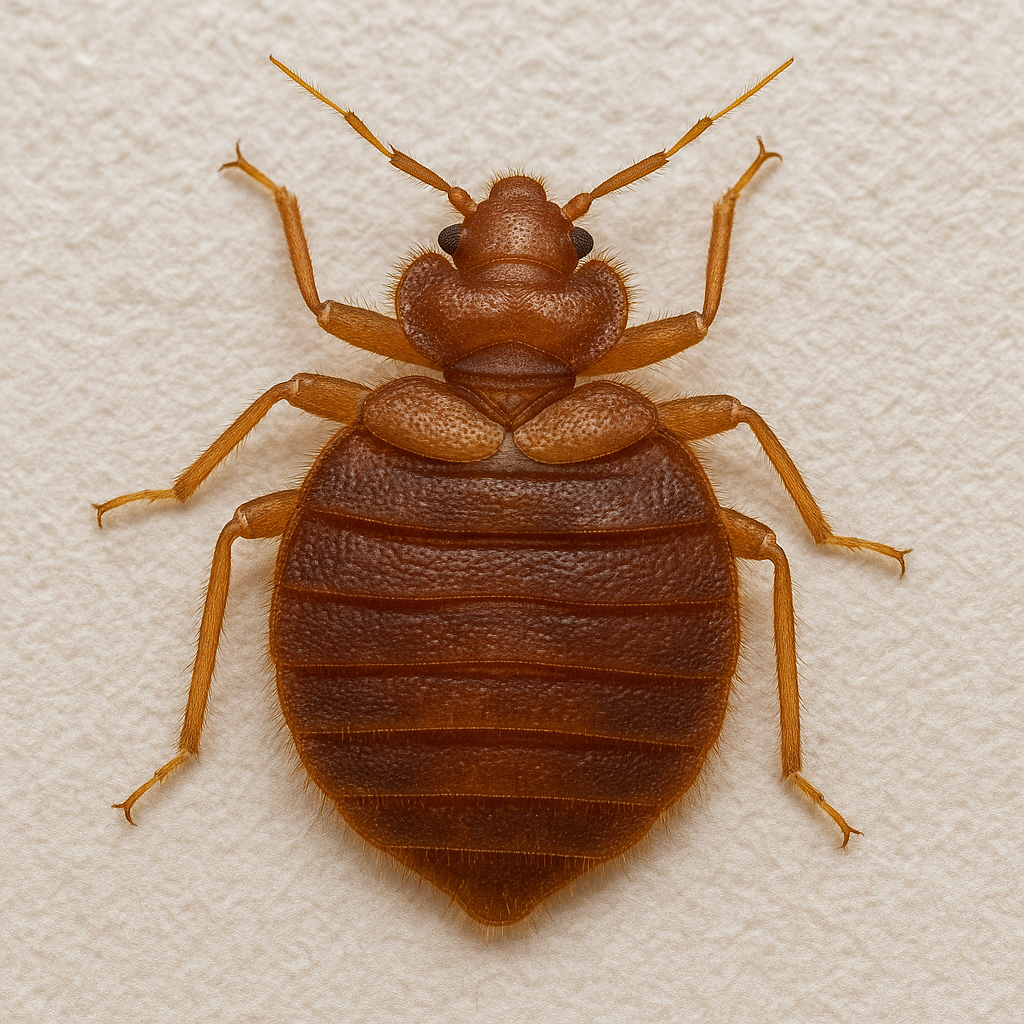
Identification: how to spot bed bugs and their signs
Bed bugs are tiny, flat insects about the size of a apple seed. They hide in seams, cracks, and dark crevices near sleeping areas. Look for dark specks on mattresses and headboards, shed skins, and tiny red-to-brown insects after a bedtime check.
Common signs include musty odors in heavily infested rooms and bite clusters on skin upon waking. Early detection relies on inspecting bedside furniture and mattress seams.
Bed bug bite patterns and health considerations
Bite patterns vary by person, but you may see linear or clustered marks in exposed areas. Itching can range from mild to severe and may resemble other skin reactions. Some tenants report redness, swelling, or blistering around bites.
Always assess for secondary infections from scratching and monitor for signs of allergic reaction. If symptoms worsen, consult a dermatologist or allied professional to rule out other causes.
Effective control strategies and when to call professionals
Controls combine sanitation, encasements, and targeted treatments. Start by washing and drying linens on high heat, and seal infested items in laundry-safe bags during treatment.
Consider professional help when signs persist beyond a couple of weeks or adults and nymphs remain visible. A pest management professional can identify hiding spots and implement a coordinated plan.
| Action | Notes |
|---|---|
| Inspection | Check seams, cracks, and surrounding furniture |
| Containment | Isolate affected items to prevent spread |
| Treatment | Integrated approach with heat, vacuuming, and approved products |

2. Fleas: Hitchhikers on Pets and Carpets
Identification: fleas in bedding, carpets, and on pets
Fleas are tiny, dark brown insects that jump and move quickly. Look for them on pet fur, in bedding, and within carpet fibers near sleeping areas. You may notice tiny black specks, which are flea droppings, or a constant scratching from tenants with itchy bites.
Signs extend beyond pests themselves. Pet licking, restlessness, or hair loss can accompany flea presence. Inspect warm, sheltered spots where pets rest, including under cushions and along baseboards.
Bite patterns and allergenic responses
Flea bites commonly appear as clusters or groups of small red spots, often on the ankles or legs. Reactions vary: some tenants report intense itching, while others exhibit mild irritation or hives. Persistent scratching can lead to skin infections or dermatitis in sensitive individuals.
Allergic responses to flea saliva can amplify itching and swelling. In landlords, note that ongoing irritation may stem from bites spread through households with pets or shared living spaces.
Integrated flea management: treatment for home and animals
Coordinate a multi-pronged plan that covers both the interior and the animal population. Applications must target adult fleas and their larvae in hiding spots.
- Environment: vacuum thoroughly, wash fabrics on high heat, and seal carpets with ongoing prevention measures.
- Pets: use veterinarian-approved insecticides or oral treatments and monitor for rebounds.
- Monitoring: deploy non-toxic traps like a monitoring station to gauge activity between treatments.
| Area | Action |
|---|---|
| Bedding and textiles | Wash, dry hot, retreat with safe products |
| Carpets and floors | Vacuum, treat baseboards, consider steam cleaning |
| Pets | Vet-approved preventative, treat environment to reduce re-infestation |
3. Cockroaches: Nighttime Nuisances in Kitchens and Beyond
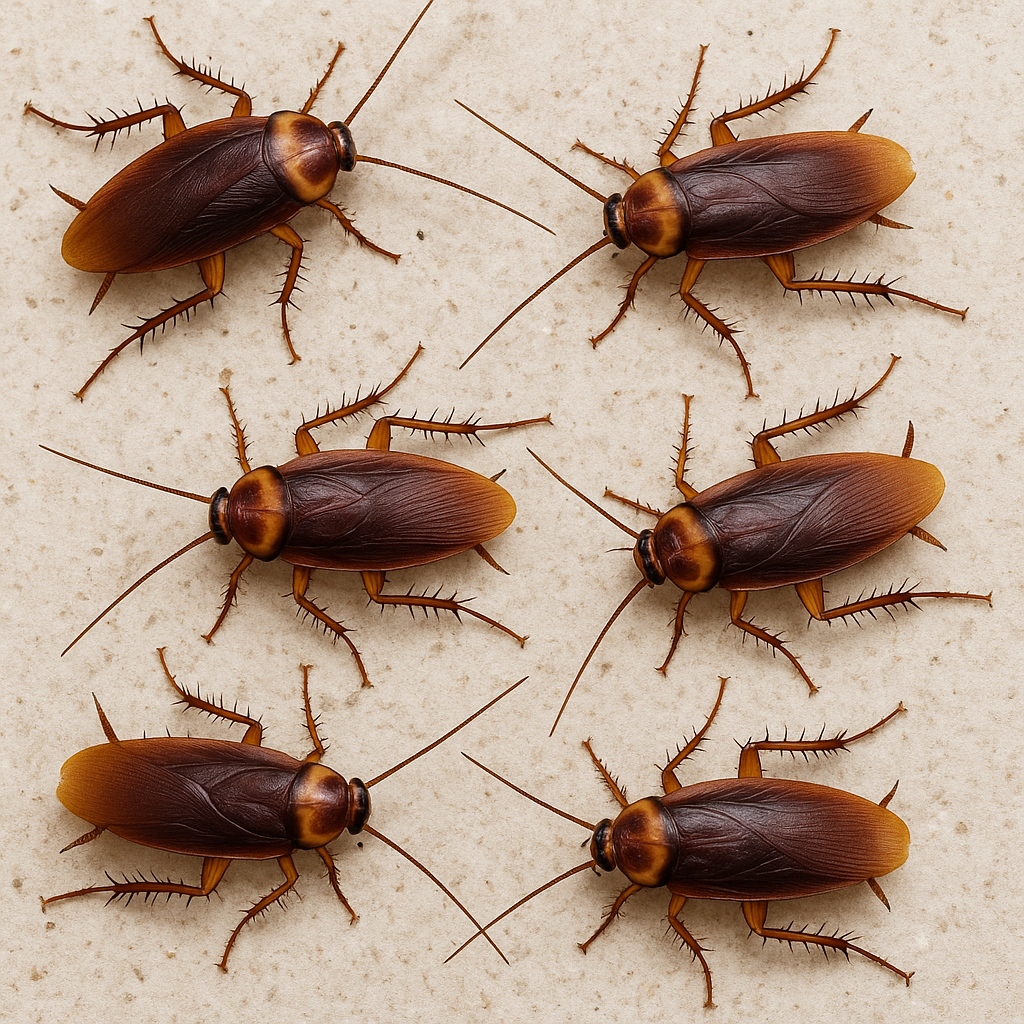
Identification: common species and behavioral clues
Cockroaches thrive in dark, humid spots and are most active after lights go out. The common indoor culprits are German and American roaches. Look for shed skins, droppings, and a musty odor near affected areas.
They move quickly when disturbed, scavenge along edges, and are frequently spotted in kitchens, bathrooms, and behind appliances.
Bite and exposure risks, and why they scratch the surface
Bites are rare with roaches, but exposure can irritate skin for some tenants. More often, irritation comes from cockroach feces, shed skins, or allergic reactions to proteins in their bodies.
High exposure can lead to contact dermatitis or itching from environmental contaminants released during activity.
Direct-control methods: sanitation, exclusion, and targeted treatment
- Sanitation: remove food sources, seal trash, and promptly clean spills to reduce attractants.
- Exclusion: seal entry points around pipes, utility gaps, and cracks to limit ingress.
- Targeted treatment: apply residual products in line with peak activity, focusing on harborage sites and monitoring for resurgence.
4. Ants: From Sugar Trails to Indoor Invasions
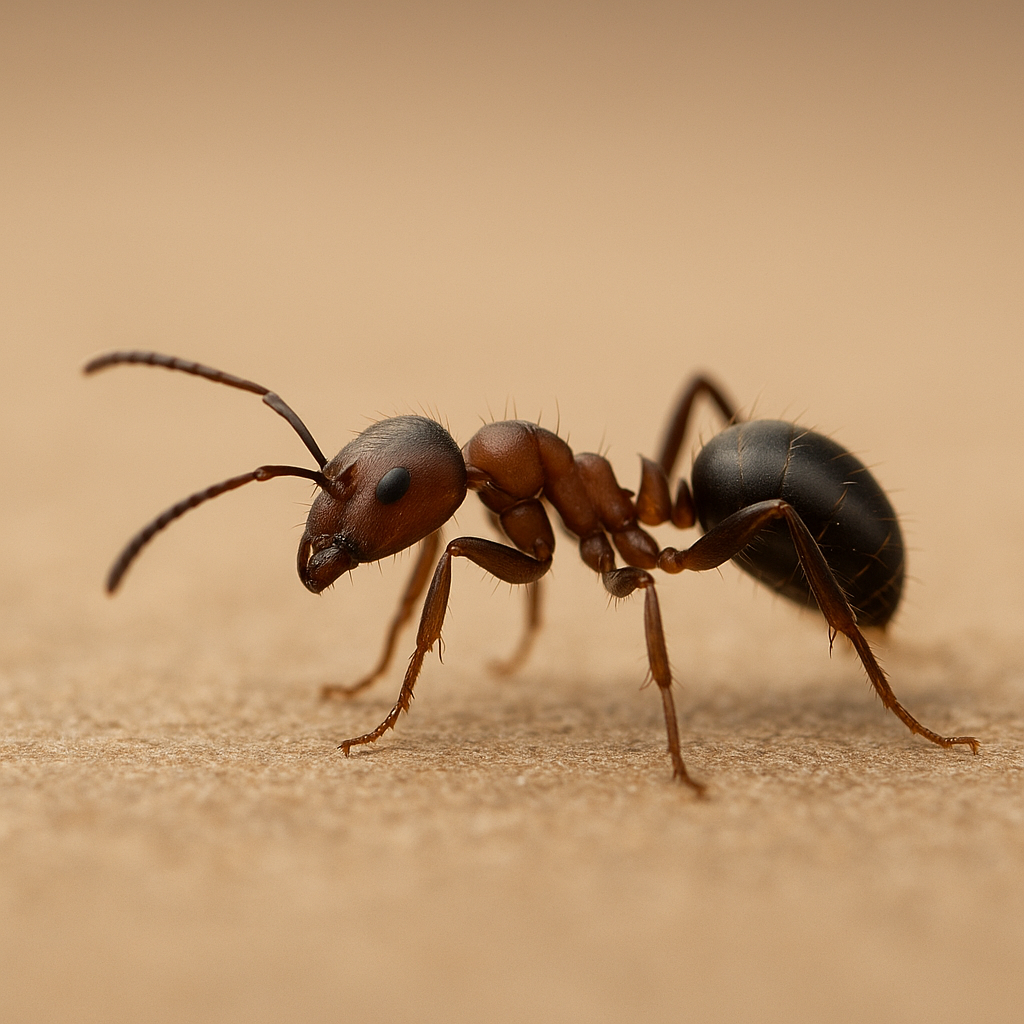
Identification: identifying major indoor nuisance species
Not all ants are the same. Common indoor invaders include little fire ants, carpenter ants, and odorous house ants. Look for distinctive trails along baseboards, under sinks, and around entry points. Small, persistent colonies inside walls can be tricky to locate.
Evidence often shows up as continuous line-work of ants following a scent trail or as occasional foragers near food sources. Inspect cabinet corners, pantry shelves, and behind appliances for critical clues.
Why ants cause itching or irritation in some people
Some tenants report itching or a crawling skin sensation during ant activity. This discomfort is typically a response to contact with ants or to residues they leave behind. Certain individuals may experience localized irritation from bites or contact with irritants in ant secretions.
Ants themselves are generally non hazardous, but their presence can signal moisture issues or accessible food, which invites further pests if not addressed.
Ant management: barriers, baits, and minimizing attractants
- Barriers: seal entry points around pipes, doors, and windows to reduce ingress.
- Baits: deploy non-toxic bait stations to attract foragers and disrupt the colony.
- Minimizing attractants: eliminate sweet kitchen temptations, fix leaks, and maintain clean surfaces.
| Strategy | Notes |
|---|---|
| Entry prevention | Seal gaps larger than a pinhead, use weather stripping where feasible |
| Trail disruption | Clean pheromone trails with vinegar-based cleaners to slow re-colonization |
| Monitoring | Place observation stations near suspected entry points to gauge activity |
FAQ
How can I tell which pest is causing the bites?
Start with patterns and context. Bed bug bites often appear in lines or clusters, while flea bites tend to cluster around lower legs and ankles. If bites are scattered across the torso or shoulders, a different culprit may be involved. Combine observations with visible signs and the tenant’s reports.
Use a structured approach to identify clues:
- Inspect bedding for shed skins, staining, or live pests.
- Check pet areas and carpets for flea dirt or active fleas.
- Look for droppings, musty odors, and signs near food and drains if cockroaches are suspected.
When should I treat myself vs. calling a professional?
Treat only after gathering evidence of a target pest. If you’re unsure, avoid broad spraying that may mask causes or spread residues.
- Self-treatment: use non-toxic barriers, vacuuming, and environmental adjustments first.
- Professional help: consider pest management professionals when signs persist, or if multiple units are affected, or if there is limited time to monitor and verify results.
Are there health risks beyond itching I should watch for?
Yes. Some reactions mimic dermatologic problems or indicate allergy or infection risk. Monitor for:
- Rash that spreads or worsens after treatment.
- Blistering or swelling around bites.
- Signs of secondary infection such as increased redness, warmth, or pus.

Conclusion
Key takeaways for recognizing and addressing household pests
Identify bite patterns and correlating signs to narrow down culprits. Ground your decisions in careful observation and evidence from pest management guidance rather than assumptions. When signs persist, involve a pest management professional for an accurate assessment and coordinated plan.
Remember that mystery bites can stem from both insect and non-insect causes. A structured inspection helps you separate irritants from underlying issues such as moisture, clutter, or structural gaps.
Steps to create a safer, scratch-free home
- Conduct a targeted inspection of bedding, carpets, and kitchens to spot signs of infestations.
- Seal entry points and reduce attractants like food residues and moisture sources.
- Implement non-toxic barriers and monitoring to track activity over time.
Maintain a documentation routine: note dates, locations, and bite patterns to share with professionals if needed.
8. Questions to ask a pest control company
- What is the suspected pest and the basis for that assessment?
- Which treatment plan is recommended, and why?
- Are there non-chemical options, and what are their effectiveness?
- What safeguards exist for tenants and pets?
- What is the expected timeline and monitoring plan?
- What evidence will confirm clearance and prevent resale risk?
- Are there follow-up visits included in the service?
- What documentation will I receive for records?
9. How you can get rid and treat pests yourself saving money
- Use non-toxic barriers and regular cleaning to reduce harborages.
- Vacuum thoroughly and promptly seal and store items that attract pests.
- Deploy monitoring devices to verify activity and adjust strategies quickly.
10. Natural products you can use to treat common household pests
- Vinegar-based cleaners to disrupt trails and residue.
- Essential oils and citrus extracts to deter foraging in entry points.
- Diatomaceous earth in dry, low-traffic areas to reduce certain pests.
References
- Apart from rat, mosquito and cockroach, which other things leaves in …
- Are These Bed Bugs or Fleas? How to Tell the Difference – Terminix
- MYSTERY BITES: Insect and Non-Insect Causes – UK Entomology
- Pick Your Poison: Which infestation would you rather deal with?
- Bed Bugs- What You’ve Been Told is Totally False – YouTube
- pest management, home pest control, flea treatment
- Pest Control, Home Care, Fleas, Bed Bugs, Cockroaches, Ants
- real estate investor, landlords, landlords in Canada, landlords in Ontario
- real estate investors, how to get rid of ants, how to get rid of fleas, how to get rid of
- bedbugs, pest threats, health risks of pests, bed bug facts
- Pest Awareness, Health Risks, Home Safety, Fleas, Bed Bugs
 Follow