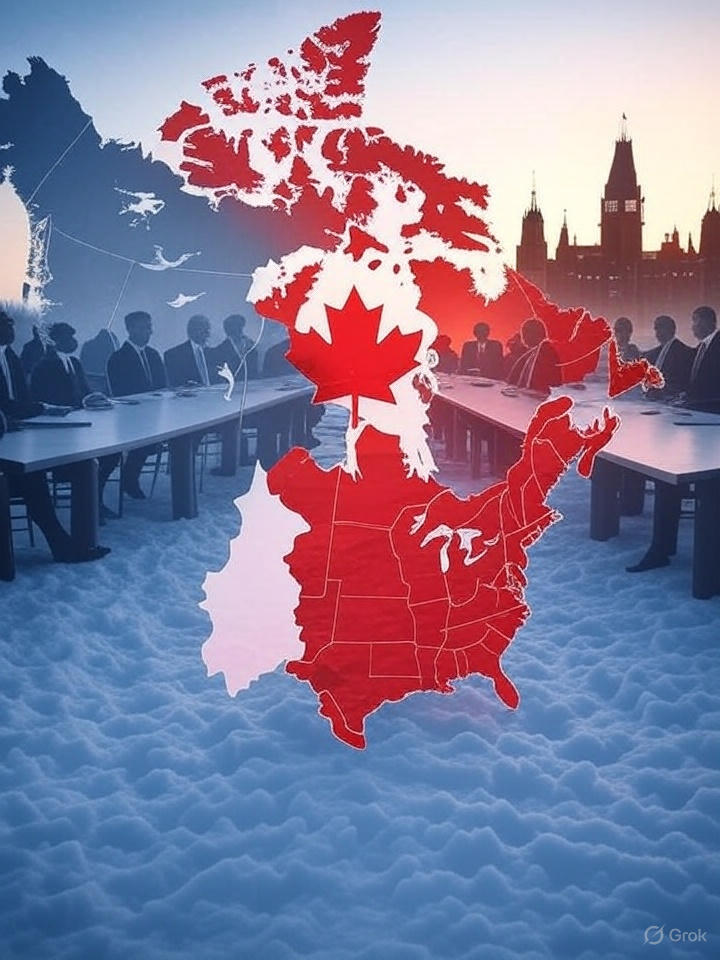
Why Real Estate Investors and Landlords in Canada Are Struggling in 2025

How New Federal Laws Are Impacting Landlords and Real Estate Investors in Ontario and Canada

Recent federal legislation and proposed policies in Canada are reshaping the landscape for landlords and real estate investors, particularly in Ontario. While aimed at improving housing affordability and tenant protections, these measures are creating significant challenges for property owners and investors. Below, we explore key laws and their implications, highlighting how they may hurt landlords and real estate investors.

Prohibition on the Purchase of Residential Property by Non-Canadians Act

Overview: Enacted on January 1, 2023, and extended to January 1, 2027, the Prohibition on the Purchase of Residential Property by Non-Canadians Act bans non-Canadians from purchasing residential properties in Canada. This applies to detached homes, condominiums, and buildings with up to three dwelling units in Census Metropolitan Areas (CMAs) and Census Agglomerations (CAs). Amendments effective March 27, 2023, relaxed some restrictions, allowing non-Canadians to purchase vacant land for development and permitting work permit holders with at least 183 days of validity to buy one residential property.

Impact on Landlords and Investors:

  • Reduced Market Liquidity: The ban limits the pool of potential buyers, particularly in urban centers like Toronto and Ottawa, where foreign investment has historically driven demand. This can depress property values, making it harder for investors to sell properties at profitable prices.
  • Increased Compliance Costs: Investors must verify the citizenship or residency status of buyers, adding administrative burdens and potential legal risks. Violators face fines up to $10,000, and real estate professionals assisting non-Canadians could also be penalized.
  • Development Opportunities: While the exemption for vacant land supports development, it primarily benefits large-scale developers rather than small-scale investors who rely on purchasing existing properties for rental income.

Underused Housing Tax (UHT)

Overview: The Underused Housing Tax Act imposes a 1% annual tax on the value of residential properties owned by non-residents that are deemed underused or vacant. Owners must file annual returns, even if exempt, with penalties ranging from $5,000 to $10,000 for non-compliance. Exemptions apply to properties used as primary residences or rented out for at least 180 days per year, but the tax targets speculative holding of vacant properties.

Impact on Landlords and Investors:

  • Financial Burden: Non-resident investors, including those holding properties through corporations, face additional tax liabilities if properties are not consistently occupied. This discourages foreign investment in rental properties, potentially reducing capital inflows into the real estate market.
  • Administrative Complexity: The requirement to file annual returns, even for exempt properties, increases administrative costs and risks penalties for landlords unfamiliar with the process.
  • Market Distortion: The tax may force owners to sell underused properties, increasing supply in some markets but potentially lowering property values, which could hurt investors’ portfolios.

Changes to Mortgage Rules and Housing Policies

Overview: In 2024, the federal government introduced significant mortgage reforms, including increasing the insured mortgage price cap from $1 million to $1.5 million and extending 30-year amortizations for first-time homebuyers purchasing new builds. Additionally, the 2023 Fall Economic Statement denies income tax deductions for short-term rental operators not compliant with provincial or municipal regulations, effective January 1, 2024.

Impact on Landlords and Investors:

  • Increased Competition for Tenants: Longer mortgage amortizations and higher price caps make homeownership more accessible, reducing demand for rental properties. This could lead to higher vacancy rates and lower rental income for landlords.
  • Short-Term Rental Restrictions: The denial of tax deductions for non-compliant short-term rentals (e.g., Airbnb) limits profitability for investors relying on platforms like Airbnb, particularly in tourist-heavy areas like Niagara or Muskoka. Landlords must navigate varying municipal regulations, increasing compliance costs.
  • Pressure on Rental Yields: With more Canadians entering the housing market, rental yields may decline, squeezing margins for investors already facing high mortgage rates and property maintenance costs.

Canadian Renters’ Bill of Rights and Tenant Protections

Overview: Announced in 2024, the Canadian Renters’ Bill of Rights aims to protect tenants by requiring landlords to disclose rental price histories, providing legal funding to fight unfair practices, and allowing rent payments to contribute to tenants’ credit scores. Ontario’s Residential Tenancies Act (RTA) amendments and Toronto’s new renoviction bylaws (effective July 31, 2025) further strengthen tenant protections, requiring landlords to obtain licenses for renovations, pay tenant relocation costs, and offer the right of first refusal to return at the same rent.

Impact on Landlords and Investors:

  • Renoviction Costs: Toronto’s renoviction rules require landlords to pay $700 for a license, obtain an architect’s report, secure a city permit, cover tenants’ alternative accommodation costs, or pay compensation (e.g., $2,000 plus three months’ rent). These costs deter landlords from undertaking necessary renovations, potentially reducing property values or rental income.
  • Reduced Flexibility: The right of first refusal and restrictions on evictions limit landlords’ ability to adjust rental rates to market levels after renovations, impacting profitability.
  • Increased Legal Risks: Enhanced tenant protections and legal funding increase the likelihood of disputes being escalated to the Landlord and Tenant Board (LTB), which is already backlogged. Landlords face delays and potential compensation costs for bad-faith evictions, as outlined in the RTA.
  • Credit Score Impact: Allowing rent payments to build tenant credit may encourage tenants to stay longer, reducing turnover but also limiting landlords’ ability to raise rents for new tenants in a rent-controlled environment.

Speculation and Vacancy Taxes

Overview: While primarily a provincial measure in British Columbia, the federal government’s policies align with efforts to curb speculative real estate investment. British Columbia’s speculation and vacancy tax (2% for non-residents, 0.5% for residents) has expanded to 13 new communities, requiring homeowners to declare property usage starting in 2025. Ontario’s Non-Resident Speculation Tax (NRST) imposes a 25% tax on residential property purchases by non-residents in specific areas.

Impact on Landlords and Investors:

  • Higher Costs for Non-Residents: The NRST discourages foreign investment in Ontario’s real estate market, reducing demand and potentially lowering property values in high-demand areas like the Greater Toronto Area.
  • Profitability Squeeze: Combined with federal taxes like the UHT, these measures increase the cost of holding properties for non-resident investors, making Canada less attractive for real estate investment.
  • Regional Disparities: Investors in Ontario face stricter regulations compared to other provinces, creating uneven investment opportunities and potentially diverting capital to less regulated regions.

Conclusion

The federal government’s new and proposed laws, while designed to enhance housing affordability and tenant rights, pose significant challenges for landlords and real estate investors in Ontario and Canada. The Prohibition on the Purchase of Residential Property by Non-Canadians Act and Underused Housing Tax limit foreign investment, potentially reducing market liquidity and property values. Mortgage reforms and short-term rental restrictions increase competition and compliance costs, while the Renters’ Bill of Rights and Ontario’s tenant protections raise operational and legal risks. For small-scale landlords and investors, these changes could lead to reduced profitability, higher administrative burdens, and limited flexibility in managing properties.

To navigate this evolving landscape, landlords and investors should stay informed about regulatory changes, consult legal and financial advisors, and consider diversifying into markets or property types less affected by these policies. For more information on federal housing policies, visit Canada.ca or CMHC. For Ontario-specific regulations, refer to Ontario.ca or contact the Landlord and Tenant Board.

  • Why landlords in Canada are struggling 2025,
  • New federal laws affecting Ontario landlords,
  • Canadian real estate investor challenges 2025,
  • Tenant protection laws Ontario impact,
  • Underused housing tax real estate Canada,
  • #CanadianLandlords, #RealEstateInvestors, #OntarioHousing,
  • #NewLaws2025, #PropertyInvestment, #TenantProtections, #RealEstateMarket,

Posted in Real Estate Investing | Tagged , , , , , , , , , , , | Comments Off on Why Real Estate Investors and Landlords in Canada Are Struggling in 2025

With 54% of U.S. Adults Unable to Read Beyond a Sixth-Grade Level and 18% Considered Functionally Illiterate

In a striking conversation on the Breaking Battlegrounds podcast, Daniel Buck, a research fellow at the American Enterprise Institute and director of the Conservative Education Reform Network, didn’t hold back when asked what he would do if handed the reins to American education.

With 54% of U.S. adults unable to read beyond a sixth-grade level and 18% considered functionally illiterate, Buck called the situation a “travesty.” His solution? Begin by eliminating the federal Department of Education altogether.

Buck argues that much of the $26 billion spent annually on teacher professional development is wasted on “crackpots, consultants, and salespeople” peddling the latest fads instead of proven teaching methods. Phonics, rote memorization, and silent reading—what Buck calls “tried and true” techniques—are neglected because they’re not trendy or profitable.

https://breakingbattlegrounds.substack.com/p/54-cant-read-past-6th-grade-one-experts?utm_source=post-email-title&publication_id=260675&post_id=170198417&utm_campaign=email-post-title&isFreemail=true&r=321yxj&triedRedirect=true&utm_medium=email

Posted in Real Estate Investing | Tagged , , , , , , | Comments Off on With 54% of U.S. Adults Unable to Read Beyond a Sixth-Grade Level and 18% Considered Functionally Illiterate

OP-ED: Canada’s food chain just got tariff-slapped again — Ottawa has only itself to blame

I’m posting this because I can’t post it as a link on Facebook. This censorship started with Trudeau and now it continues with Prime Minister Mark Carney. This is what Canadians voted for so now it’s up to you to take care of it!! I certainly did not vote for Carney, because I knew that he would bring Canada to the depths of depression. Now let’s see you voters take care of this mess!! Cheers, Maria Rekrut

“In the face of rising tariffs and global trade turbulence, Ottawa didn’t just drop the ball—it left the field entirely, and now Canada’s agri-food sector and Canadians will be paying the price.”

Author: Dr. Sylvain Charlebois

As August 1 quietly slipped by, so did Canada’s last, best chance to avoid a sharp escalation in trade tensions with its most important economic partner. Unlike Mexico, which secured a temporary reprieve, Canada is now fully exposed to a 35% tariff imposed by the United States on a range of non-USMCA-covered goods. For the Canadian agri-food sector—and for consumers from coast to coast—this is less a policy adjustment and more a gut punch.

https://www.junonews.com/p/op-ed-canadas-food-chain-just-got?utm_source=post-email-title&publication_id=3610415&post_id=169935404&utm_campaign=email-post-title&isFreemail=true&r=321yxj&triedRedirect=true&utm_medium=email

Posted in Real Estate Investing | Tagged , , , , , , , , , | Comments Off on OP-ED: Canada’s food chain just got tariff-slapped again — Ottawa has only itself to blame

REAL ESTATE AND THE BLOCKCHAIN WITH BOEF

Listen to “CRYPTO VAGABONDS – REAL ESTATE AND THE BLOCKCHAIN WITH BOEF AND MARIA ” by Real Wealth Radio. https://creators.spotify.com/pod/profile/maria-rekrut4/episodes/CRYPTO-VAGABONDS—REAL-ESTATE-AND-THE-BLOCK-CHAIN-WITH-BOEF-AND-MARIA-e366kql

Posted in Real Estate Investing | Tagged , , , , | Comments Off on REAL ESTATE AND THE BLOCKCHAIN WITH BOEF

CANADA NOW – JULY 26, 2025 On https://realwealthradio.ca/

CANADA NOW- SATURDAY July 26, 2025, 12 NOON EST: Debanked Convoy Lawyer by RBC, International Student Scam, Canada Multi-Tiered Injustice System, Jagmeet and the WEF, This Is Not Liberal- It’s a Cult of Elites!! https://realwealthradio.ca/

Below are all of my sources for my podcast.

Listen to: “Maria Rekrut Live 20250726-120526 – CANADA NOW WITH MARIA REKRUT” https://app.viloud.tv/watch/video/6f28161770d2e55cae567762ea7dc657

Posted in Real Estate Investing | Tagged , , , , , , , | Comments Off on CANADA NOW – JULY 26, 2025 On https://realwealthradio.ca/

The GENIUS Act: Reshaping Banking and Crypto with Stablecoin Regulation

How the 2025 Stablecoin Framework Impacts Financial Systems, Digital Currencies, and Global Dollar Dominance

The GENIUS Act, signed into law on July 18, 2025, establishes a regulatory framework for stablecoins—cryptocurrencies pegged to assets like the U.S. dollar. Here’s how it impacts the banking system and cryptocurrency:

Impact on the Banking System

  1. Banks as Stablecoin Issuers:
  • The Act allows banks to issue their own stablecoins, provided they are backed 1:1 by low-risk assets like cash or U.S. Treasuries.
  • This enables banks to integrate blockchain technology, potentially reducing transaction costs and improving efficiency for payments, especially cross-border.
  • Major institutions like Goldman Sachs, JP Morgan, and Bank of America are exploring stablecoin issuance, which could drive capital flows onto blockchains.
  1. Regulatory Clarity:
  • Stablecoins are regulated as banking products under the Office of the Comptroller of the Currency (OCC) rather than securities under the SEC, streamlining compliance.
  • Federal and state oversight (Federal Reserve for issuers with over $10 billion in market cap, state regulators for smaller issuers) ensures consumer protection and financial stability.
  1. Competition and Deposit Shifts:
  • Stablecoins could pull deposits away from banks, similar to money market funds, as seen with Tether’s $143 billion in reserves (80% in U.S. T-bills). This may reduce community banks’ lending capacity.
  • Non-bank issuers, like fintechs, face lighter regulation, potentially creating an uneven playing field.
  1. Consumer Protection and Risks:
  • The Act mandates reserve requirements, regular audits, and anti-money laundering (AML) compliance, reducing risks of issuer insolvency.
  • However, stablecoins lack FDIC insurance, leaving holders vulnerable to custodial risks or issuer bankruptcy. Critics warn of potential taxpayer bailouts if issuers fail.
  1. Big Tech Concerns:
  • The Act allows non-financial firms (e.g., Amazon, Meta) to issue stablecoins, raising concerns about market concentration and the erosion of banking-commerce separation.

Impact on Cryptocurrency

  1. Stablecoin Market Growth:
  • The $251 billion stablecoin market could grow to $500 billion by 2026, driven by regulatory clarity and institutional adoption.
  • Increased demand for U.S. Treasuries as reserves may boost blockchain activity, particularly on networks like Ethereum, where stablecoin transactions generate fees.
  1. Legitimizing Crypto:
  • The GENIUS Act is seen as a step toward mainstreaming crypto, boosting confidence in stablecoins as payment tools.
  • It may pave the way for broader crypto regulation, though it focuses only on stablecoins, not volatile assets like Bitcoin.
  1. Risks and Criticisms:
  • Critics, like Sen. Elizabeth Warren, argue the Act enables conflicts of interest (e.g., Trump’s ties to World Liberty Financial) and insufficient consumer protections.
  • Money laundering risks persist, as stablecoins could bypass traditional banking controls, despite AML mandates.
  • Past stablecoin failures (e.g., TerraUSD’s $40 billion collapse in 2022) highlight risks of de-pegging or fraud.
  1. Global Implications:
  • The Act strengthens the U.S. dollar’s dominance in digital finance, countering efforts like the EU’s MiCA or China’s digital yuan.
  • Non-USD stablecoins may face challenges due to stricter compliance, favoring USD-backed coins like USDC.

Potential Downsides

  • Economic Instability: Economists like Barry Eichengreen warn that widespread stablecoin adoption could destabilize markets if reserves are mismanaged, potentially spiking U.S. interest rates.
  • Regulatory Gaps: Critics argue the Act’s consumer protections are weak, and allowing non-banks to issue stablecoins could lead to regulatory arbitrage.
  • CBDC Concerns: Some House members fear the Act could enable a backdoor for a central bank digital currency (CBDC), though it explicitly prohibits retail CBDCs.

Conclusion

The GENIUS Act fosters innovation by integrating stablecoins into the financial system, benefiting banks with new revenue streams and crypto with legitimacy. However, it risks deposit outflows, market concentration, and potential crises if oversight fails. While it strengthens the U.S. dollar’s global role, unresolved consumer protection and stability concerns could limit its long-term success.

https://x.com/RepMTG/status/1945160710616457532?referrer=grok-com

GENIUS Act, Stablecoins, Banking Regulation, Cryptocurrency, Blockchain, Financial Innovation, U.S. Dollar, Consumer Protection, Money Laundering, Regulatory Clarity

Posted in Real Estate Investing | Tagged , , , , , , , , , , , , | Comments Off on The GENIUS Act: Reshaping Banking and Crypto with Stablecoin Regulation

This Podcast Will Enlighten You About Who Owns The World!!

This podcast will enlighten you about who owns the world!!

https://rumble.com/v6acf9j-the-reality-makers.html?e9s=src_v1_ucp_a

Posted in Real Estate Investing | Tagged , | Comments Off on This Podcast Will Enlighten You About Who Owns The World!!

While You Were Distracted: Trump’s GENIUS Act CBDC Will Allow Government to Punish Vaccine Mandate Refusers by Freezing Bank Accounts

Under cover of the Epstein distraction, the most momentous coup over the US Constitution in US history is quietly taking place…

Lioness of Judah Ministry's avatar

LIONESS OF JUDAH MINISTRY

JUL 16, 2025

https://lionessofjudah.substack.com/p/while-you-were-distracted-trumps?utm_source=post-email-title&publication_id=581065&post_id=168493542&utm_campaign=email-post-title&isFreemail=true&r=321yxj&triedRedirect=true&utm_medium=email

Rep. Marjorie Taylor Greene

@RepMTG

I just voted NO on the Rule for the GENIUS Act because it does not include a ban on Central Bank Digital Currency and because Speaker Johnson did not allow us to submit amendments to the GENIUS Act. Americans do not want a government-controlled Central Bank Digital Currency. Republicans have a duty to ban CBDC. President Trump included a ban on CBDC in his January 23rd executive order and Congress must also include the ban on CBDC in the GENIUS Act

Posted in Real Estate Investing | Tagged , , , , , , , , , , , , , | Comments Off on While You Were Distracted: Trump’s GENIUS Act CBDC Will Allow Government to Punish Vaccine Mandate Refusers by Freezing Bank Accounts

Charming Niagara-on-the-Lake Heritage Cottage – Your Perfect Wine Country Escape

Charming Niagara-on-the-Lake Heritage Cottage – Your Perfect Wine Country Escape

Welcome to our beautifully restored Heritage Cottage in the heart of Niagara-on-the-Lake, where historic charm meets modern comfort. Nestled in the picturesque Old Town, this cozy retreat is steps away from boutique shops, world-class wineries, and the serene shores of Lake Ontario. Perfect for romantic getaways, family vacations, or a relaxing escape with friends, this cottage offers an unforgettable experience in one of Canada’s most enchanting destinations.

Why You’ll Love Staying Here

  • Historic Elegance: Immerse yourself in the charm of a meticulously preserved 19th-century cottage, featuring original hardwood floors, exposed beams, and a warm, inviting ambiance.
  • Prime Location: Just a 5-minute walk to Queen Street’s vibrant shops, cafes, and theaters, and a short drive to over 20 renowned wineries and the majestic Niagara Falls.
  • Cozy & Modern Comforts: Enjoy a fully equipped kitchen, plush bedding, high-speed Wi-Fi, and a private backyard with a charming patio for al fresco dining or stargazing.
  • Year-Round Appeal: Sip wine by the fireplace in winter, stroll through blooming gardens in spring, or savor local festivals like the Shaw Festival or Icewine Festival.

The Space

This 2-bedroom, 1-bathroom cottage comfortably sleeps 4 guests and is ideal for couples, small families, or groups of friends. The open-concept living area features a cozy sofa, smart TV, and a wood-burning fireplace, perfect for unwinding after a day of exploring. The modern kitchen is stocked with everything you need to whip up a gourmet meal, or fire up the BBQ in the private backyard for a summer feast.

  • Bedroom 1: Queen bed with luxury linens and ample closet space.
  • Bedroom 2: Two twin beds, perfect for kids or friends.
  • Bathroom: Newly renovated with a walk-in shower, fluffy towels, and complimentary toiletries.
  • Outdoor Space: Relax in the lush, fenced-in backyard with a patio set, BBQ, and seasonal gardens.

Guest Access

You’ll have exclusive access to the entire cottage and its private backyard. Off-street parking is available for one vehicle, with additional street parking nearby. A self-check-in keypad ensures a seamless arrival.

The Neighborhood

Niagara-on-the-Lake is a gem of Southern Ontario, known for its historic charm, award-winning wineries, and vibrant cultural scene. Stroll to Queen Street for boutique shopping, farm-to-table dining, or a show at the Shaw Festival Theatre. Explore nearby vineyards like Peller Estates or Inniskillin, or take a scenic 20-minute drive to Niagara Falls for breathtaking views and adventure.

Other Things to Note

  • Wine Tours & Tastings: We provide a curated list of nearby wineries and can arrange private tours upon request.
  • Pet-Friendly: Well-behaved pets are welcome with a small cleaning fee.
  • Eco-Conscious: We use sustainable products and support local artisans.
  • Accessibility: Please note the cottage has a few steps at the entrance and is not fully wheelchair accessible.

Book Your Stay Today!

Escape to the magic of Niagara-on-the-Lake in this charming heritage cottage. Whether you’re sipping wine, exploring history, or simply relaxing, this is your home away from home. Reserve now to secure your dates and start planning your dream getaway!

Posted in Real Estate Investing | Tagged , , , , | Comments Off on Charming Niagara-on-the-Lake Heritage Cottage – Your Perfect Wine Country Escape

Poilievre tells Carney to sell assets after disclosing 103 potential conflicts of interest

Poilievre tells Carney to sell assets after disclosing 103 potential conflicts of interest

Poilievre is calling on Prime Minister Mark Carney to sell off his assets and explain why he misled Canadians about potential conflicts of interest.

CLAYTON DEMAINE, TRUE NORTH

JUL 14, 2025

https://www.junonews.com/p/poilievre-tells-carney-to-sell-assets?utm_source=post-email-title&publication_id=3610415&post_id=168324302&utm_campaign=email-post-title&isFreemail=true&r=321yxj&triedRedirect=true&utm_medium=email

Posted in Real Estate Investing | Tagged , | Comments Off on Poilievre tells Carney to sell assets after disclosing 103 potential conflicts of interest